

Significance of gambling in cultural traditions around the world
Significance of gambling in cultural traditions around the world
Historical Context of Gambling
Gambling has roots that stretch back to ancient civilizations, reflecting a deep-seated human fascination with chance and risk. In Mesopotamia, as early as 3000 BC, people used dice made from bones, which were often crafted for games of luck. This primitive form of gaming was not merely entertainment; it played a role in decision-making processes, with individuals relying on chance to determine outcomes in various aspects of life. Similarly, ancient China utilized gambling in games like keno, which highlights how cultural practices were intertwined with the act of wagering. Today, you can explore thrilling online options like Pacific Spins, offering various games for all enthusiasts.

Throughout history, different societies have integrated gambling into their cultural fabric, often associating it with spirituality and fate. For instance, in many indigenous cultures, games of chance were used in rituals to invoke the favor of deities. In Africa, traditional games often featured elements of betting, reflecting not only entertainment but also community bonding. This use of gambling in cultural ceremonies demonstrates its significance beyond mere games, as it often served to reinforce social ties and shared values among community members.
The historical context of gambling reveals its dual role as both entertainment and a cultural touchstone. As civilizations evolved, so too did their attitudes toward gambling. In medieval Europe, it became a popular pastime among the nobility, while in other regions, such as Asia, it was often met with resistance from authorities. This ongoing dialogue about gambling’s place in society showcases its complex relationship with cultural norms and values, shaping how it is perceived and practiced today.
Cultural Practices and Beliefs
In various cultures, gambling is intricately linked with belief systems and traditional practices. In Japan, for instance, Pachinko parlors blend elements of gaming with social gatherings, where players engage not just in the thrill of chance but also in a communal experience. This highlights how gambling can function as a social lubricant, fostering connections among players. Similarly, in the Philippines, traditional games like “sakla” incorporate elements of gambling, often played during festivals, signifying joy and celebration.
Furthermore, many cultures have embedded rituals around gambling that reflect their unique worldviews. In Indian culture, for example, gambling during festivals like Diwali is common and often viewed as a way to invite prosperity and good fortune into the coming year. This practice emphasizes how gambling transcends mere risk-taking and becomes a symbolic act of hope and community. Such traditions show that for many, gambling is a means of expressing cultural identity and collective aspirations.
The beliefs surrounding gambling often intertwine with notions of luck, fate, and destiny. In some Native American tribes, for example, gambling is considered a way to honor ancestral spirits, and specific rituals are performed before engaging in games. This connection between gambling and spirituality reinforces the idea that these practices are more than recreational; they serve as a bridge between the material and spiritual realms, reflecting deeper cultural values and beliefs.
Modern Expressions of Gambling
With the advent of technology, gambling has evolved significantly, leading to new cultural expressions that resonate with contemporary society. Online casinos and sports betting platforms have democratized gambling, making it accessible to a broader audience. This shift has generated a new culture of gaming, where communities form around shared interests in online platforms, enhancing the social aspect of gambling. The rise of cryptocurrency in gambling also signifies a shift in the way transactions are perceived, showcasing a blend of modern technology with traditional practices.
The integration of gambling into popular culture through films, music, and literature has further shaped its contemporary significance. Movies like “Casino” and “Rounders” have glamorized the gambling lifestyle, influencing public perceptions and attracting new enthusiasts to the practice. Moreover, the portrayal of gambling in media often reflects underlying societal values, such as risk-taking, competition, and the pursuit of wealth, making it a fascinating subject of study in cultural discourse.
Additionally, the regulatory landscape surrounding gambling has transformed, with many nations recognizing its potential economic benefits. Legalization in various jurisdictions has led to the creation of jobs, increased tax revenues, and tourism opportunities. This shift not only reflects changing attitudes toward gambling but also illustrates its role as a significant economic driver in many cultures. The modern expressions of gambling indicate that it remains a dynamic aspect of cultural traditions, adapting to societal changes while retaining its essential characteristics.
Gambling and Social Interaction
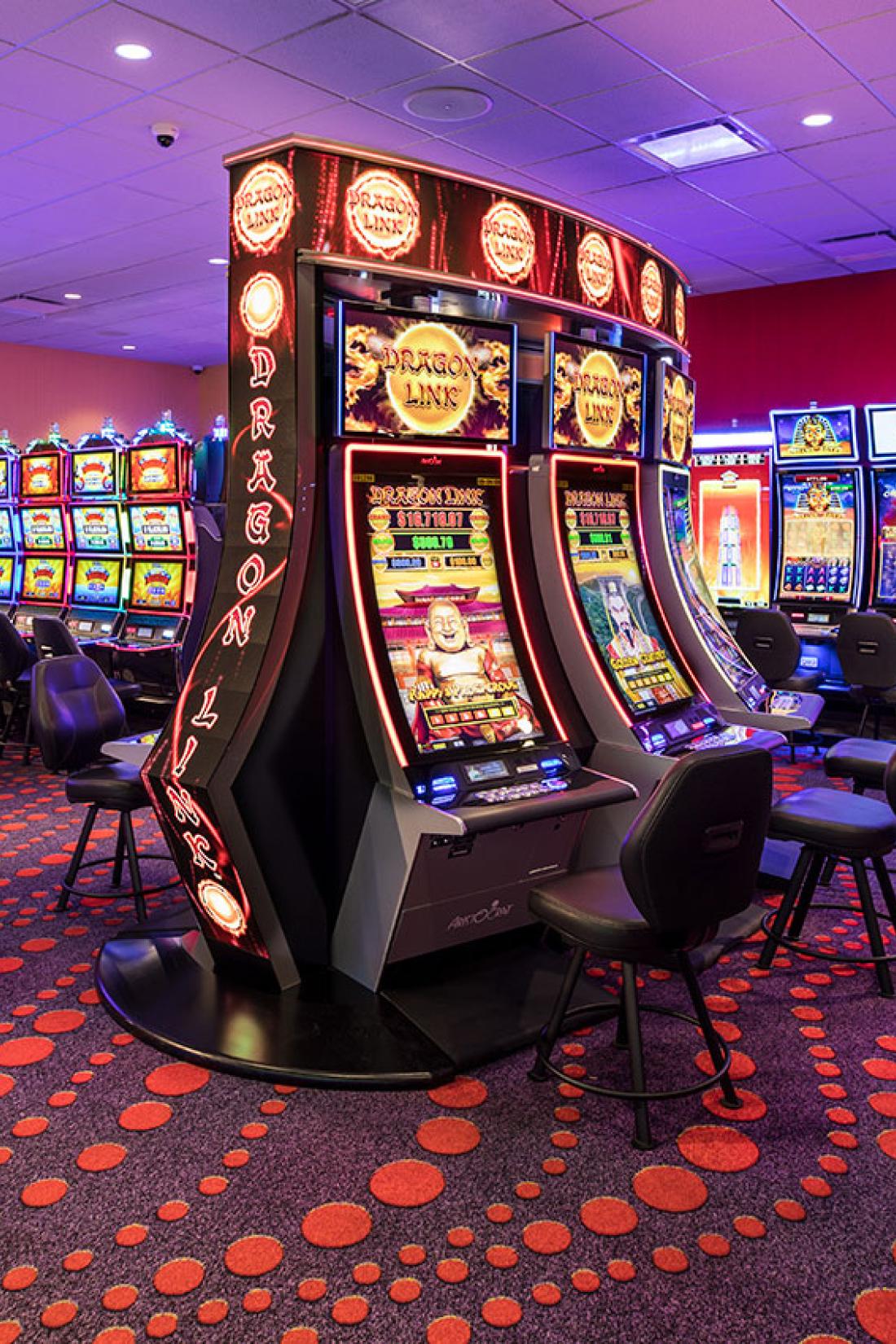
Gambling often serves as a catalyst for social interaction, creating spaces where individuals come together to share experiences. In many cultures, casinos and gaming houses are not just venues for betting; they are social hubs where people gather to celebrate milestones, host events, and build connections. The communal aspect of gambling is evident in traditional games, where players often engage in friendly competition, fostering camaraderie and social bonds that extend beyond the gaming table.
Moreover, gambling can reflect broader social dynamics, such as class, gender, and community identity. In some cultures, specific games may be associated with particular social groups, revealing underlying structures of privilege and access. For instance, high-stakes poker games may be dominated by affluent players, while local bingo nights serve as accessible entertainment for the wider community. This diversity in gambling practices highlights how social interaction is influenced by cultural contexts and societal norms.
The role of gambling in promoting social interaction is particularly evident during festive occasions. Events like Super Bowl parties in the United States often involve friendly wagers among friends and family, reinforcing social ties. Similarly, in cultures where communal celebrations are central, such as during Lunar New Year in China, gambling can be integrated into festivities, enriching the overall experience and fostering a sense of belonging. Through these interactions, gambling becomes more than just a game; it evolves into a cultural practice that unites individuals around shared experiences and collective joy.
Exploring Online Gaming Communities
In today’s digital age, online gaming platforms have transformed how gambling is perceived and experienced. Websites like Pacific Spins Casino serve as modern arenas where players can engage with a wide array of games from the comfort of their homes. This evolution has created vibrant online communities where individuals share strategies, experiences, and social interactions, reflecting the ongoing significance of gambling in cultural traditions. These platforms cater to diverse interests, ensuring that players can find something that resonates with their cultural preferences.
Moreover, online gaming has democratized access to gambling, allowing individuals from various backgrounds to participate without the barriers often associated with physical casinos. This accessibility is crucial in fostering a global gambling culture that appreciates the nuances of different traditions. Online platforms also offer unique features such as live dealer games, bringing a new level of interactivity that mirrors the social dynamics of traditional gambling while adapting to modern preferences.
Through online gaming communities, players can connect across borders, sharing cultural insights and experiences related to gambling. This cross-cultural exchange enriches the overall experience, allowing individuals to explore how different societies approach gambling. As more people engage in online gambling, it becomes evident that these platforms are not just about winning money; they are also about fostering connections and building a sense of belonging in an increasingly interconnected world.
